

2026
Green Alternatives: Bio Urns, Green Burial and Other Eco-Friendly Options
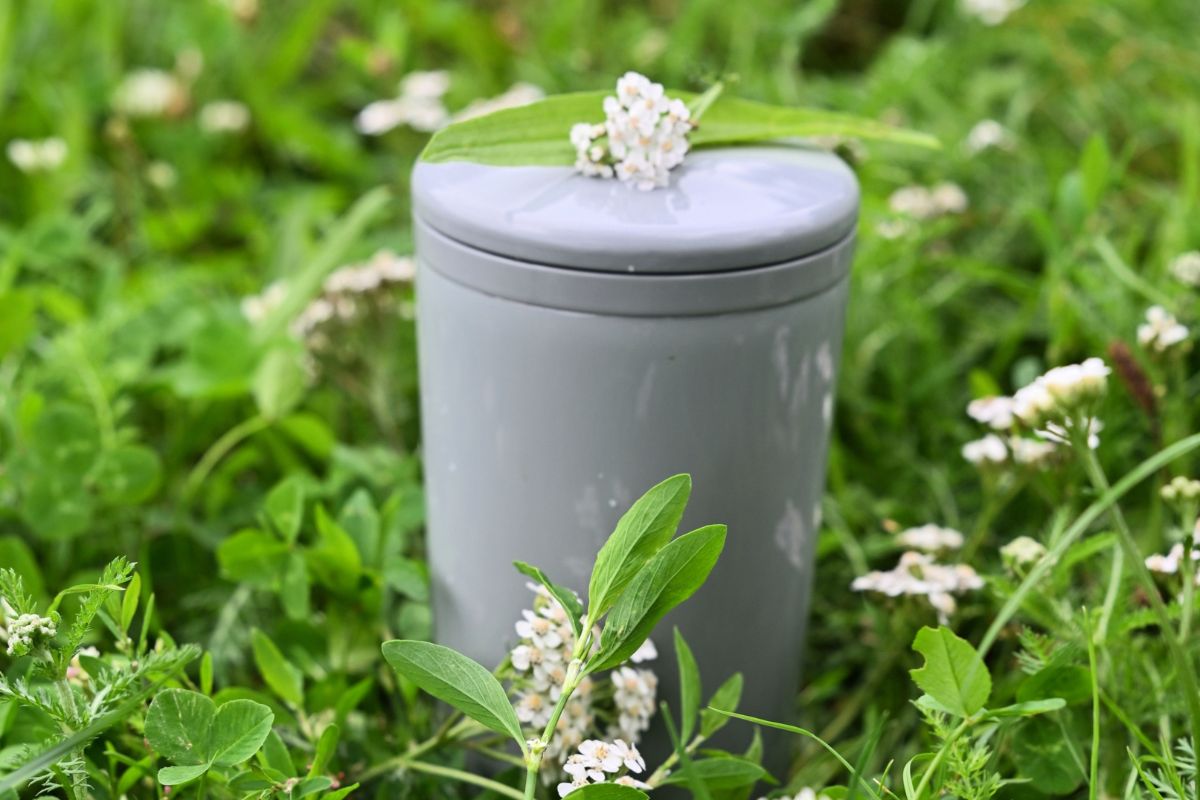
Environmental considerations are becoming an increasingly important part of the decisions people make throughout their lives. For some families, those considerations also extend to funeral and cremation arrangements.
Every form of disposition has an environmental impact. Burial uses land and materials, while flame cremation requires energy and produces emissions. For families who would like to reduce that impact, there are a growing number of alternatives worth considering.
Green Burial
Green or natural burial generally seeks to return the body to the earth with as little intervention as possible.
Although practices vary between cemeteries, green burial commonly includes:
- avoiding embalming if possible;
- using a biodegradable casket, container or shroud;
- minimizing the use of concrete grave liners and other non-biodegradable materials; and
- maintaining the burial area in a more natural state.
Some green burial cemeteries or sections also use natural or communal memorialization rather than traditional granite monuments.
Green burial is not available in every cemetery, so families interested in this option should investigate what is available locally and what restrictions may apply.
Bio Urns and Living Memorials
For families choosing cremation, biodegradable urns offer another option.
Some are designed to break down naturally after burial. Others are marketed as “tree urns” or “living urns” and combine cremated remains with soil or other materials intended to support the growth of a tree, shrub or plant.
It is important to understand that cremated remains themselves do not act like ordinary fertilizer. They are highly alkaline and contain salts, so simply placing cremated remains around the roots of a tree can actually make it more difficult for the plant to grow. Products designed as living memorials generally address this by separating, diluting or treating the cremated remains and combining them with an appropriate growing medium.
For the right family—and the right location—a tree or garden can become a meaningful living memorial.
Making Cremation Greener
Choosing flame cremation does not mean environmental considerations have to end there.
Families can reduce the materials used by selecting a casket designed specifically for cremation rather than a conventional casket. They can choose biodegradable urns, scatter cremated remains where permitted, or select local memorial options that reduce the need for additional materials and transportation.
Cremation technology is also evolving. Newer equipment and operating practices can improve fuel efficiency and reduce emissions compared with older cremation equipment.
Alkaline Hydrolysis
Another alternative attracting increasing attention is alkaline hydrolysis.
Instead of using flame, alkaline hydrolysis uses water, alkaline chemical, heat, and pressure to accelerate the natural process of decomposition.
At the end of the process, the remaining bone is dried and processed into a fine material that is returned to the family, much as cremated remains are after flame cremation. The remaining solution is discharged into the wastewater system.
Alkaline hydrolysis still requires energy, water and chemicals, so it is not an impact-free process. However, it generally uses less energy and produces fewer direct air emissions than flame cremation, which is why it is often discussed as a more environmentally conscious alternative.
Alkaline hydrolysis is already available in several provinces and is attracting growing interest elsewhere in the country. At the time of writing, it is not yet available as a legal method of human disposition in British Columbia.
Choosing What Is Right for You
Environmental impact is only one consideration when making funeral arrangements. Cost, religious beliefs, family traditions, availability, and personal preferences can all be equally important.
There is also no single option that will be right for every family.
If reducing environmental impact matters to you, talk with your funeral director about the choices that are actually available in your community. Even relatively small decisions about the type of service, casket or container, transportation, burial, or final placement of cremated remains can make a difference to the environment.
Maple Ridge Funeral Chapel and Crematorium has served families in Maple Ridge and throughout the Lower Mainland since 1964. If you have questions about burial, cremation or environmentally conscious funeral options, we would be pleased to help you understand the choices available. Please call us at (604) 463-8121.
